Navigating November 1st and Beyond with Hummingbird.
As the leaves turn and Alberta prepares for winter’s chill, the natural gas industry gears up for one of its most pivotal milestones of the year—the November 1st rollover. This date marks the transition to the Gas Year, a 12-month cycle that dictates supply contracts, pipeline capacities, and winter strategies across the province.
For shippers on the NGTL system, November 1st isn't merely a ceremonial start to the season: it’s the kickoff to a period of heightened demand, volatile market dynamics, and operational challenges. Success during this time requires more than just maintaining the status quo—it’s about agility, optimization, and leveraging every opportunity for competitive advantage.
This is where Hummingbird comes into play—a robust, all-in-one solution designed to guide Alberta’s NGTL shippers through the complexities of natural gas transport management and beyond.
Why November 1st Matters: The High-Stakes Winter Gas Year
In Alberta, natural gas is far more than a commodity—it’s the backbone of both the economy and energy security. Producing over 10 billion cubic feet per day (Bcf/d), Alberta is one of the world’s leading natural gas hubs, supplying vast quantities to domestic markets as well as U.S. exports.
The Gas Year, spanning November 1 to October 31, is structured to align with seasonal patterns of production and consumption.
The Complexity: A Multi-Layered Puzzle of Contracts and Capacities
If the Gas Year rollover were a game of Jenga, November 1st would be the moment you pull the foundational blocks. Here's why it's so intricate:
Contract Renewals:A High-Wire Act of Forecasting - Renewals must be decided 6-12 months out. The complexity? Demand isn't static. Shale booms in the Montney play flood the system with supply, while LNG export dreams pull gas westward, reversing historical flows.
Pipeline Capacities and Interconnections: The Bottleneck Ballet - Alberta's grid interconnects with U.S. pipelines (via Alliance and Foothills) and B.C. systems (Spectra), but bottlenecks loom. The Edson-to-James River segment, for instance, has seen capacity drop from 7 Bcf/d to 4 Bcf/d due to expansions elsewhere. Winter setups must validate flows: Will Montney gas head east to Chicago or west to Kitimat LNG? Misalign contracts, and you're paying premiums for interruptible space or facing curtailments.
Add weather volatility—think the 2014 Polar Vortex that spiked prices amid 14+ Bcf/d demand—and the puzzle intensifies. Outages, planned or not, compound this; NGTL's monthly forecasts help, but a compressor failure could cascade into imbalances.

Weather volatility could cascade to imbalances but also to opportunities.
The Challenges of Post-November 1st
Once the November 1st rollover is complete and the new Gas Year officially begins, shippers on the NGTL system face a stark reality: managing their newly active contracts and rapidly adapting to market volatility.
Key challenges include:
Firm Contract Optimization: Winter demand fluctuations often create bottlenecks on the NGTL system, requiring shippers to carefully balance their pipeline allocations to avoid interruptions.
Demand-Driven Variability: Weather patterns and market exports can shift quickly, creating unpredictability in both transport needs and commodity prices.
Without the right tools, shippers risk inefficiencies, operational disruptions, and missed opportunities to maximize value.
Hummingbird: The All-in-One Partner for Alberta Shippers
For Alberta’s NGTL shippers, addressing the challenges of post-November 1st operations requires more than spreadsheets and manual processes. Enter Hummingbird, TOTEC’s advanced platform developed specifically to transform transport contract management.
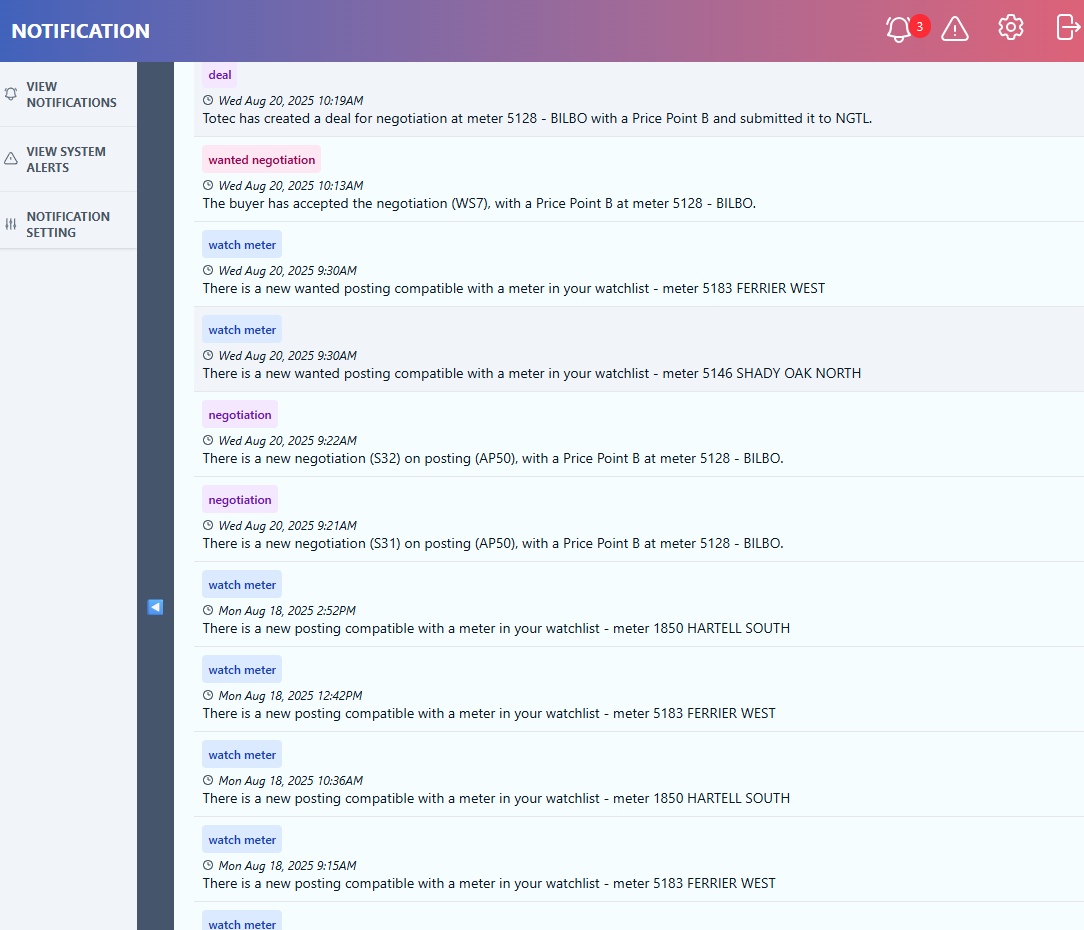
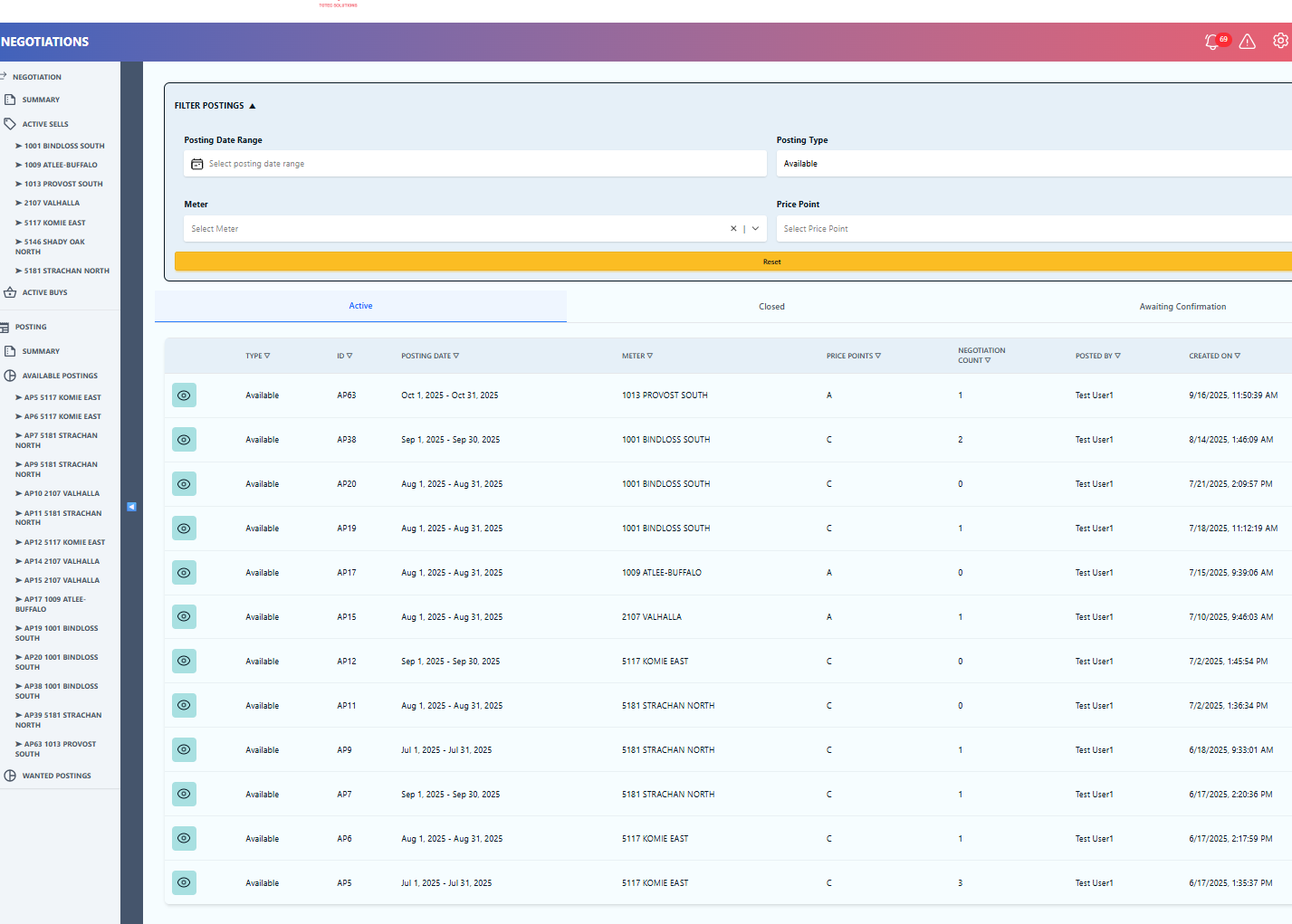
Packed with cutting-edge features, Hummingbird redefines how shippers approach the Gas Year, enabling them to effortlessly manage and optimize firm contracts while staying ahead of market shifts.
Key benefits of Hummingbird include:
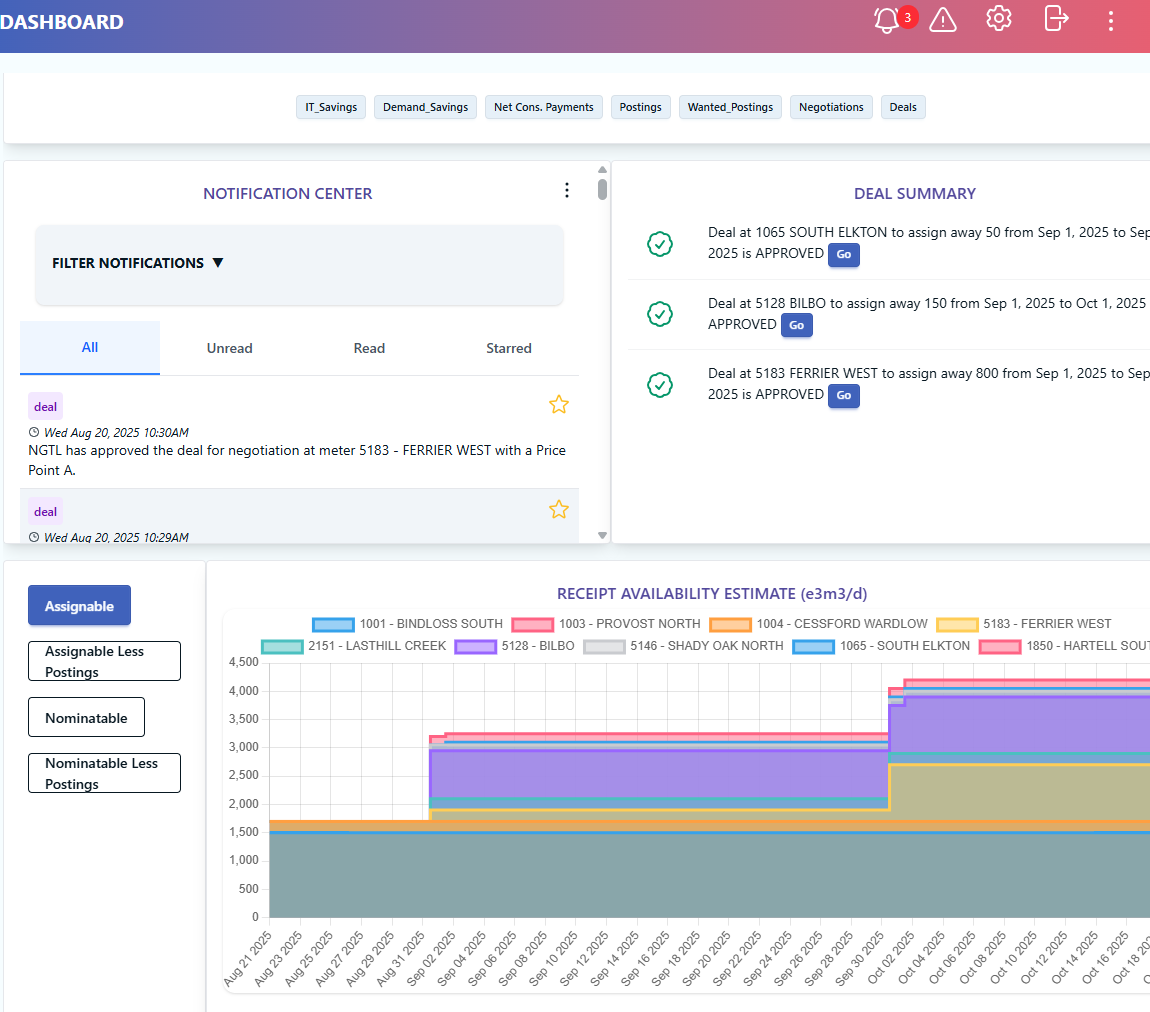
Interactive Dashboards: Visualize firm contract utilization and analyze trends in real time, enabling data-driven decisions to adapt to market volatility.
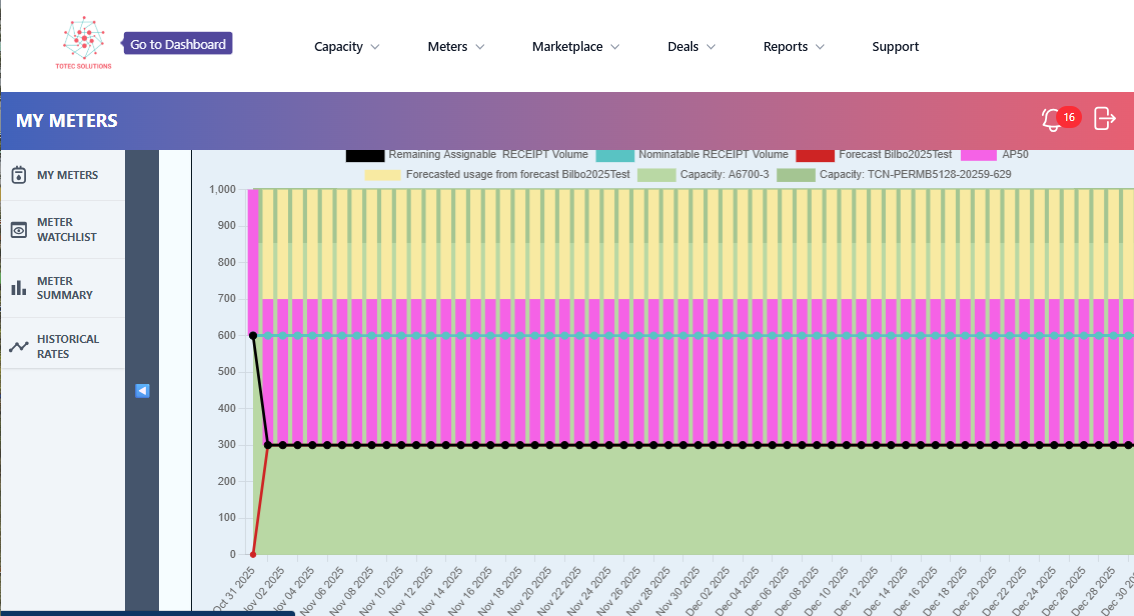
Custom Supply Forecasting: Build tailored forecasts to align transport availability with shifting demand patterns, including seasonal variations and weather impacts.
Optimization Tools: Leverage powerful algorithms to maximize firm contract optimizations
Moving Beyond the Winter Gas Year
While November 1st signals the beginning of winter’s challenges, Hummingbird is built to do more than solve seasonal problems. Its dynamic features are designed for year-round success, empowering NGTL shippers to optimize firm transport continuously and adapt to market fluctuations well beyond the winter months.
Hummingbird heralds a future where shippers no longer tread water during the post-rollover period. Instead, they can turn challenges into opportunities and ensure smooth operations for this Gas Year and the many years ahead.
The Bottom Line: Precision in the Face of Pressure
November 1st is Alberta's natural gas industry's unsung hero—a seamless pivot from summer surplus to winter crunch, powered by foresight and tech. Yet its complexity reminds us: Volatile weather, one overlooked renewal or faulty nomination could ripple from Fort McMurray to Medicine Hat. Kudos to the traders, marketing analysts and operators who validate every gigajoule. As we hunker down this winter, spare a thought for the behind-the-scenes ballet keeping the flames lit.
Contact us today and request a demo to see Hummingbird in action and discover how it can empower your operations for the New Gas Year and beyond.
It is now time to be with what matters the most, family … Thank you!